Quick answer
Several house improvements can positively improve your wellbeing by creating a more comfortable, relaxing and enjoyable living environment. Increasing natural light, improving thermal comfort, introducing greenery and designing spaces for exercise or relaxation can all contribute to how you feel at home.
From small decorative changes to larger improvements such as installing energy-efficient windows and doors, creating a home that supports your everyday needs can make a meaningful difference to your quality of life.
In this guide
- How can natural light improve your well-being?
- Can redecorating your home improve your mood?
- What are the benefits of adding greenery to your home?
- Why is thermal comfort important for well-being?
- How does ventilation contribute to a healthier home?
- Frequently asked questions
Key takeaways
- Natural daylight helps regulate the body’s circadian rhythm and can make living spaces feel brighter and more welcoming.
- Refreshing your interiors with colours, textures and comfortable furnishings can help create a relaxing atmosphere.
- Indoor plants and natural materials can bring a connection to nature into your home.
- Creating a dedicated exercise space can encourage physical activity, which is associated with improved mood and reduced stress.
- Energy-efficient windows and doors can help reduce unwanted draughts and heat loss, improving indoor comfort.
- Efficient ventilation help manage moisture, condensation and indoor pollutants.
- Designing a space specifically for relaxation can make it easier to unwind and enjoy time at home.
At CR Smith, we understand that a home is more than simply a place to live. It’s somewhere to relax, spend time with loved ones and feel comfortable throughout the day.
With more than 50 years of experience improving homes across Scotland, we know how thoughtful design, natural light and well-made home improvements can transform the way a property looks and feels.
Whether you’re planning a complete renovation or looking for smaller changes, here are seven home improvements worth considering to support your wellbeing.
How can natural light improve your well-being?
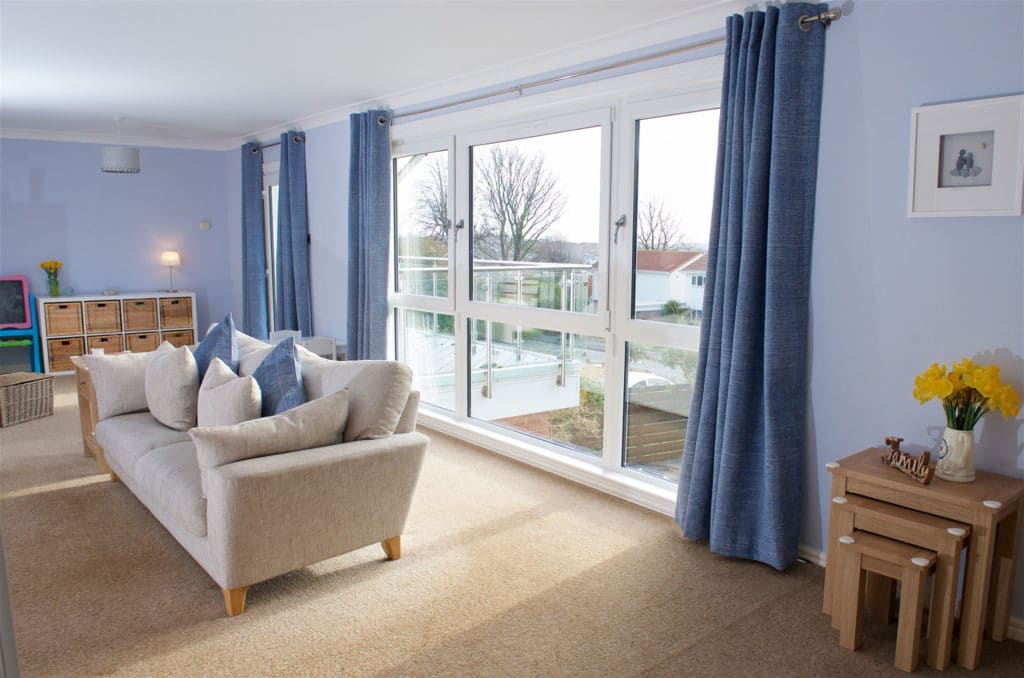
Natural daylight plays an important role in regulating the body’s circadian rhythm, the internal process that helps control when we feel awake and when we feel sleepy.
Exposure to natural light during the day can support healthy sleep patterns and alertness, while brighter living spaces can make a home feel more open, inviting and pleasant to spend time in.
For homeowners in Scotland, where shorter winter days mean fewer hours of natural daylight, making the most of available sunlight is particularly worthwhile.
How can you increase natural light in your home?
There are several ways to bring more daylight into your living spaces:
- Choose slimline window frames: Reducing the amount of visible frame can increase he glass area and allow more natural light into a room.
- Use light, reflective colours: Painting walls in soft whites, creams or pale neutrals can help reflect daylight around the space.
- Position mirrors strategically: Mirrors places opposite or near windows can help distribute natural light throughout a room.
- Avoid blocking windows: Keep large furniture and heavy window coverings away from glazed areas wherever possible.
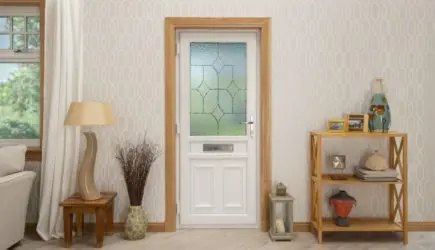
- Consider glazed doors: Patio doors or front doors with glazing and side screens can introduce additional daylight into adjoining spaces.
Can replacing windows make your home brighter?
Older windows sometimes have thicker frames and smaller glazed areas, restricting the amount of daylight entering a room.
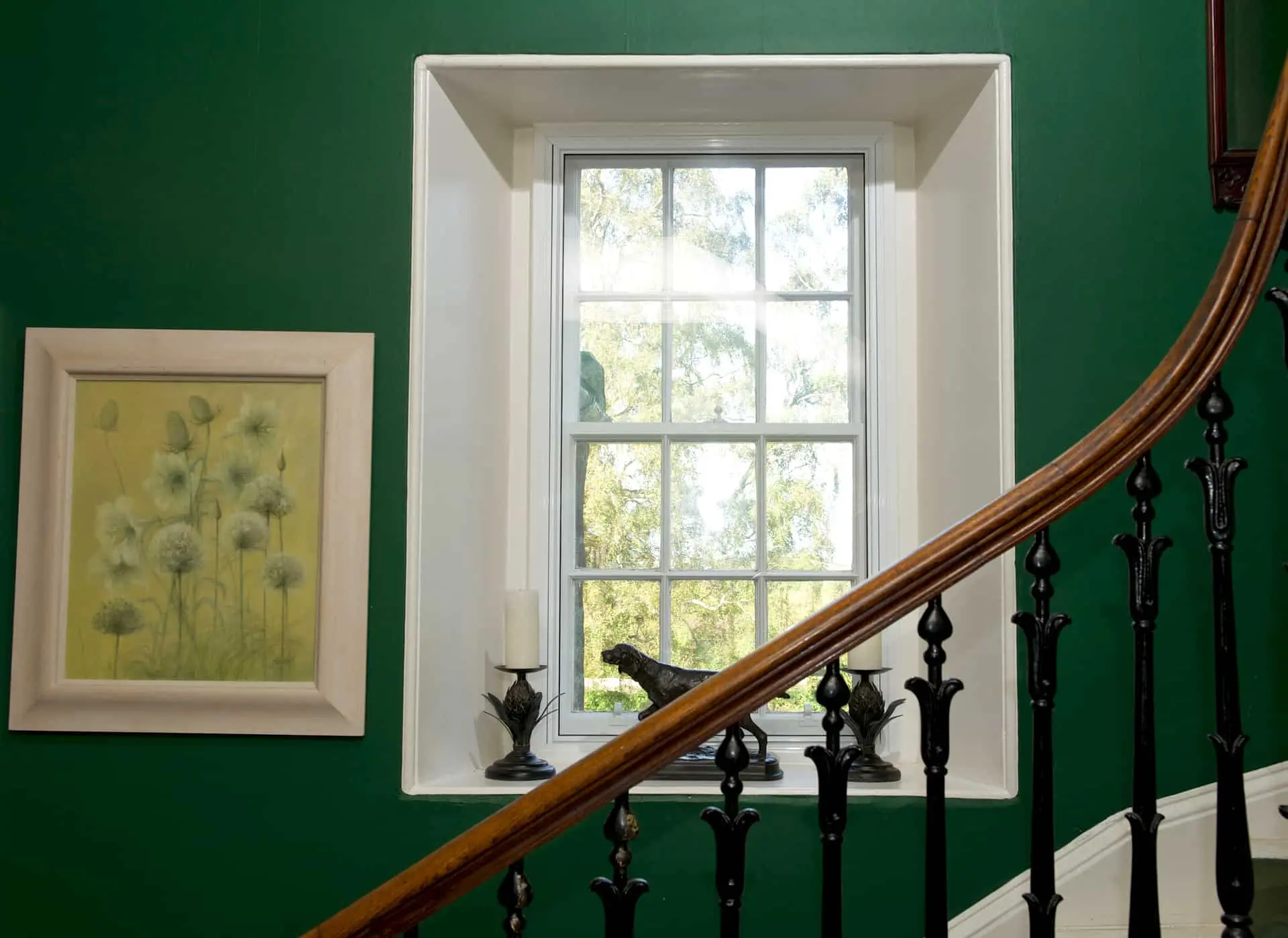
Replacing these with modern, slimline windows can improve the amount of visible glass without necessarily changing the size of the existing window opening.
CR Smith Lorimer windows are designed with slimline frames to maximise the glass area, allowing more natural daylight into your home while maintaining energy efficiency, security and durability.
A brighter room can also create a stronger visual connection with the outdoors, particularly when windows overlook gardens or surrounding scenery.
Can redecorating your home improve your mood?
The colours, textures and furnishings within your home can influence how comfortable and welcoming a room feels.
Redecorating allows you to create an environment that reflects your personality while making individual spaces better suited to their purpose.
For example, a softly decorated bedroom may encourage relaxation, while a bright, organised living area can feel more inviting for everyday activities.
What colours help create a relaxing environment?
Although colour preferences are personal, cerain shades are commonly used to establish different atmospheres:
- Soft blues: often associated with calm and peaceful interiors, making them popular for bedrooms and bathrooms.
- Muted greens: Inspired by nature, these colours can create a restful and balanced appearance.
- Warm neutrals: Cream, beige and taupe can provide a cosy, timeless backdrop.
- Earthy tones: Terracotta, brown and warm natural shades can introduce depth and warmth.
- Soft whites: help reflect daylight and make smaller rooms feel brighter and more spacious.
Colour is only one consideration. Lighting, furniture layout and the materials used throughout a room all contribute to its overall atmosphere.
Small decorating changes that can make a difference
Improving your interiors doesn’t always require a complete renovation.
Simple changes might include:
- Repainting tired walls to refresh the room.
- Introducing cushions, rugs and throws for additional comfort.
- Rearranging furniture to create a more practical layout.
- Replacing harsh overhead lighting with softer, layered lighting.
- Reducing clutter to make spaces easier to use and maintain.
- Displaying photographs, artwork or other meaningful possessions.
Creating a home that feels personal, organised and comfortable can make everyday activities more enjoyable.

What are the benefits of adding greenery to your home?
Bringing plants and natural materials indoors is a simple way to create a more welcoming living environment.
Houseplants introduce colour, texture and visual interest, while providing a connection with nature, particularly in homes without immediate access to a garden.
Research into the relationship between indoor plants and wellbeing suggests that greenery may offer psychological benefits, although the effects can vary depending on the environment and individual.
The Royal Horticultural Society highlights the potential well-being benefits of indoor greenery and maintaining a connection with nature.
Which plants work well indoors?
Several houseplants are popular for their appearance and relatively straightforward care:
- Spider plants: Adaptable plants that grow well in bright, indirect light.
- Boston ferns: Attractive foliage plants that prefer humidity and indirect light.
- Snake plants: Low-maintenance options suitable for a range of indoor environments.
- Orchids: Flowering plants that introduce colour and elegance.
- Calatheas: Decorative plants known for their distinctive patterned leaves.
Choose plants suited to the natural light, temperature and available space in each room, and check their suitability if you have pets or young children.
Can houseplants improve indoor air quality?
Although houseplants are sometimes described as natural air purifiers, their ability to remove pollutants in a typical home is limited.
Research has shown that a very large number of plants would be needed to match the pollutant removal achieved through normal ventilation.
Houseplants are therefore best appreciated for their decorative qualities and potential well-being benefits rather than being relied upon to improve indoor air quality.
How else can you bring nature indoors?
Plants aren’t the only way to introduce natural elements into your home.
Timber furniture, woven fabrics, natural stone and wooden finishes can help create a warmer, more inviting interior.
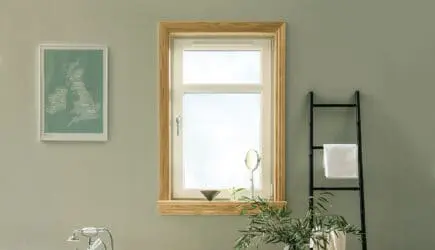
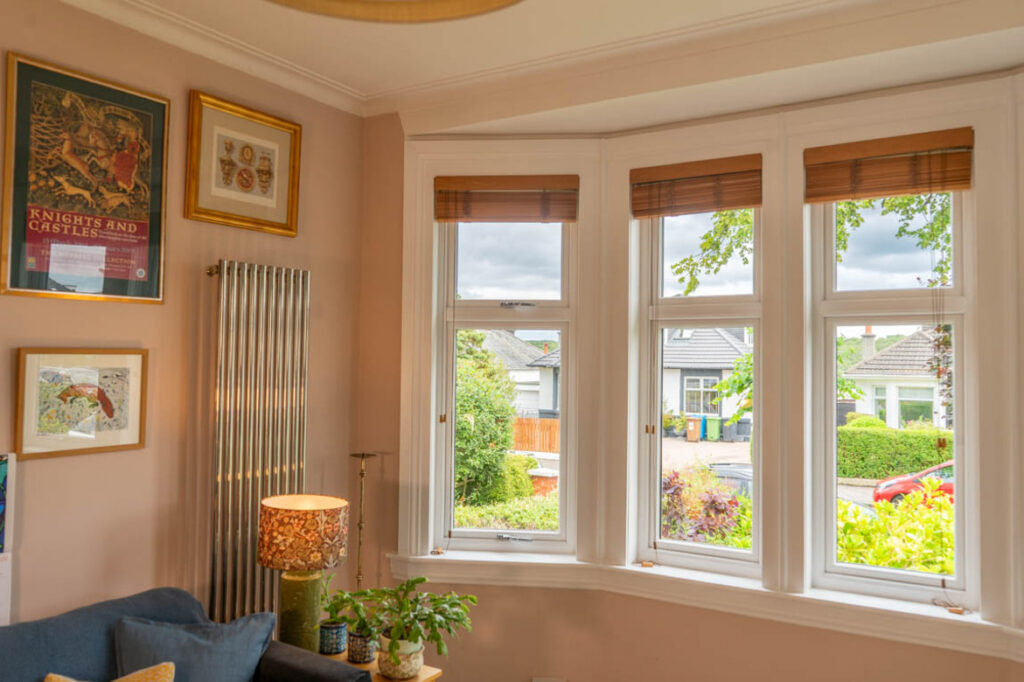
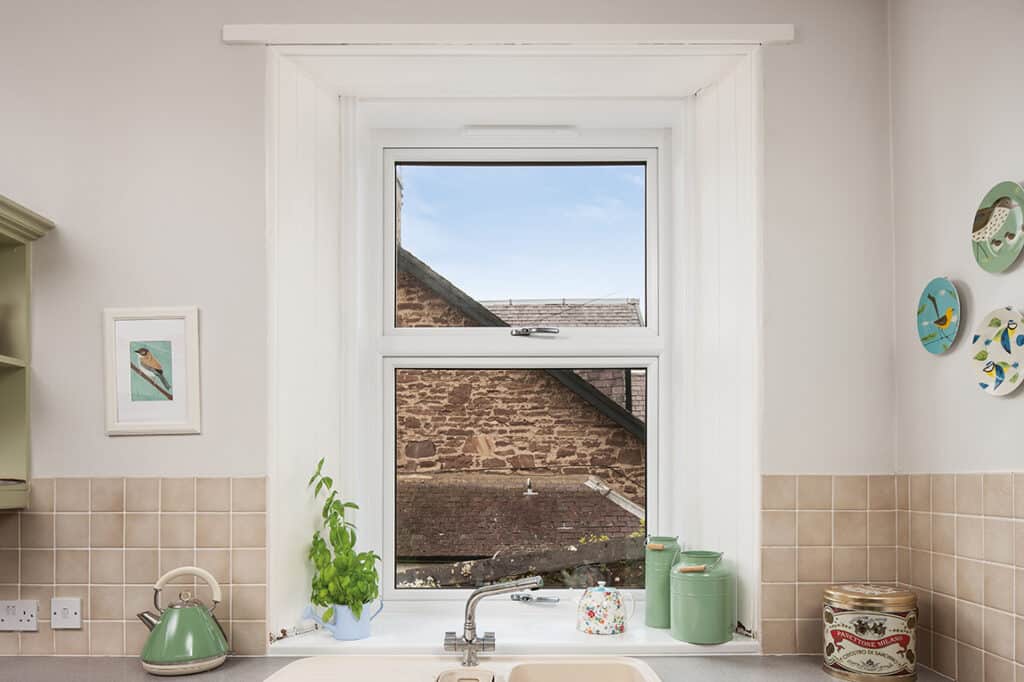
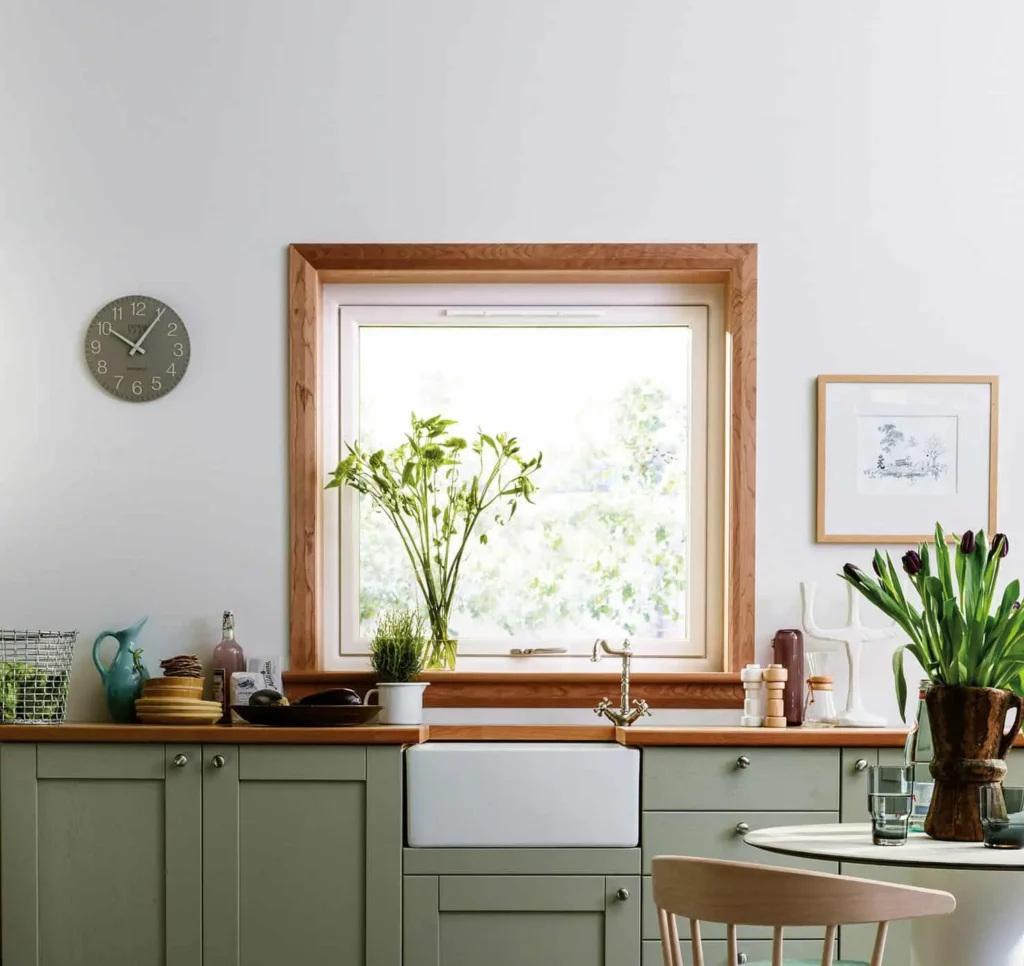
Natural timber window sills and surrounds can also complement traditional and contemporary interiors.
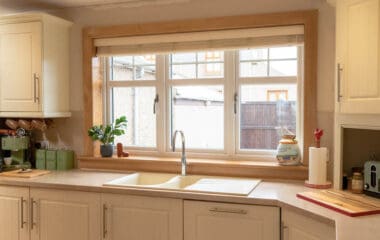
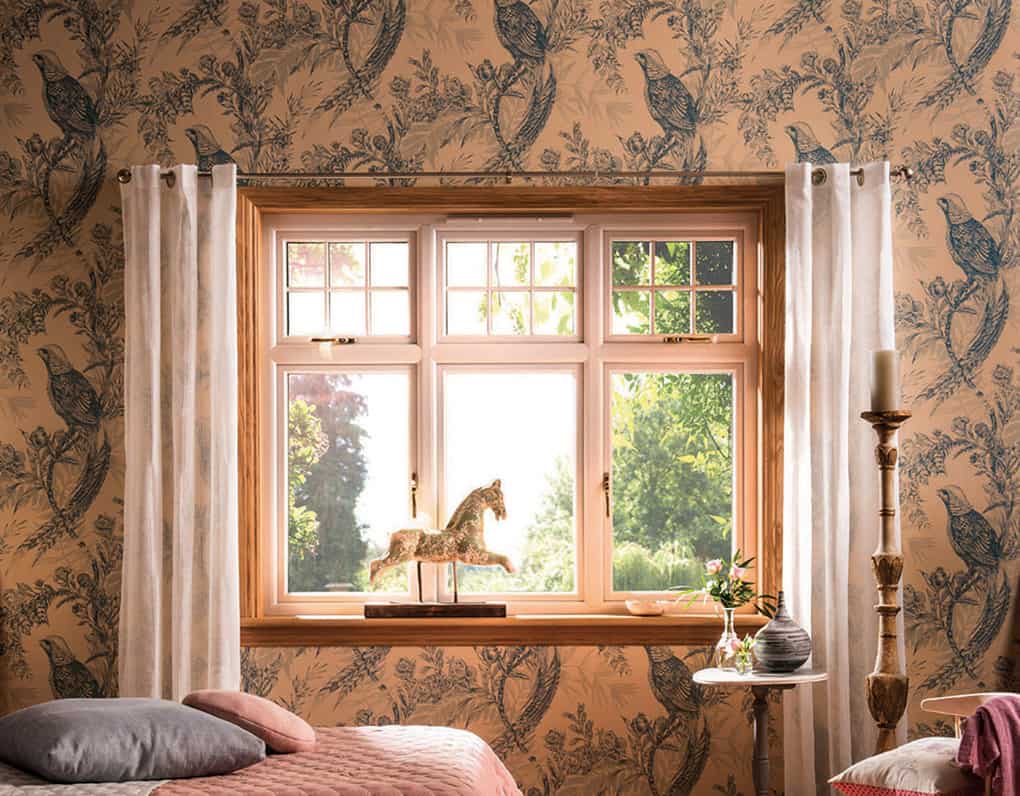
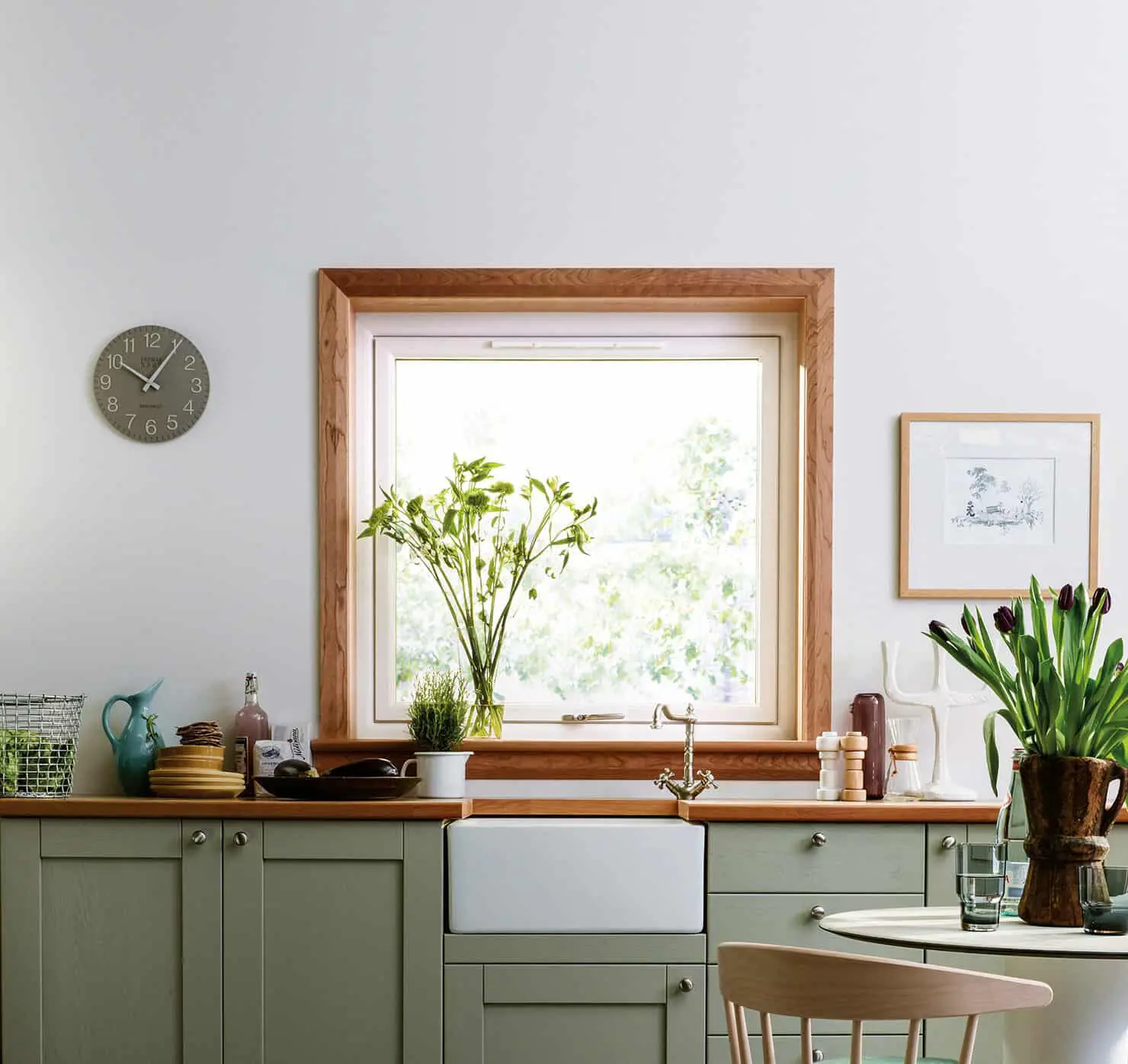
CR Smith Lorimer windows are available with a choice of natural timber sills and surrounds, including Royal Oak, American Cherry and Natural Ash, helping homeowners introduce warmth and character into their living spaces.
Why is thermal comfort important for well-being?
The temperature of your home can have a considerable influence on everyday comfort.
Rooms that feel persistently cold, draughty or difficult to heat can make relaxing less enjoyable, particularly during Scotland’s colder months.
A comfortable indoor environment helps support everyday activities, from sleeping and working to spending time with family.
Improving insulation, reducing uncontrolled draughts and maintaining suitable indoor temperatures can all help make a home more comfortable.
How can you improve thermal comfort at home?
Several improvements can help reduce heat loss and unwanted draughts:
- Check window and door seals: Damaged or deteriorating seals can allow cold air to enter.
- Improve insulation: Suitable loft, wall and floor insulation can help retain warmth.
- Use appropriate window coverings: Thermal curtains and well-fitted blinds can reduce heat loss through glazed areas. Read our blog on How to style windows to find out more about the perfect window coverings.
- Maintain heating systems: Effective controls can help keep indoor temperatures consistent.
- Consider energy-efficient glazing: Modern double glazing can improve thermal performance compared with older, inefficient windows.
The Energy Saving Trust explains that energy-efficient windows and doors can reduce heat loss and draughts while improving comfort.
Can new windows make your home feel warmer?
Older windows with inefficient glazing, damaged frames or deteriorating seals can contribute to heat loss and cold spots.
Replacing them with modern, energy-efficient windows can help maintain a more consistent indoor temperature.
CR Smith Lorimer windows combine efficient glazing with carefully engineered frames and professional installation to help reduce unwanted heat loss.
Their installation is carried out by directly employed tradespeople following the LorimerFit standard, helping ensure the performance designed into each window is maintained once fitted.
For homeowners considering improvements to their property’s energy efficiency, properly installed replacement windows can provide long-term comfort benefits.
How does ventilation contribute to a healthier home?
Effective ventilation helps maintain indoor air quality by introducing fresh air and removing excess moisture and pollutants.
Everyday activities such as cooking, showering and drying clothes release moisture into the air.
When this moisture isn’t adequately removed, it can contribute to condensation, dampness and mould growth.
Maintaining suitable ventilation is therefore important for both the condition of your property and the comfort of those living in it.
How can you improve ventilation in your home?
Practical improvements include:
- Opening windows when appropriate to encourage fresh air circulation.
- Using extractor fans when cooking or showering.
- Keeping purpose-designed background ventilation clear and operational.
- Reducing excess moisture when drying clothes indoors.
- Addressing persistent condensation and dampness.
- Maintaining ventilation systems according to manufacturer guidance.
It’s important to distinguish between unwanted draughts and controlled ventilation.
While sealing gaps around windows and doors can reduce heat loss, purpose-designed ventilation openings should not be blocked.
Which windows are best for ventilation?
Different window styles offer different ways of controlling airflow.
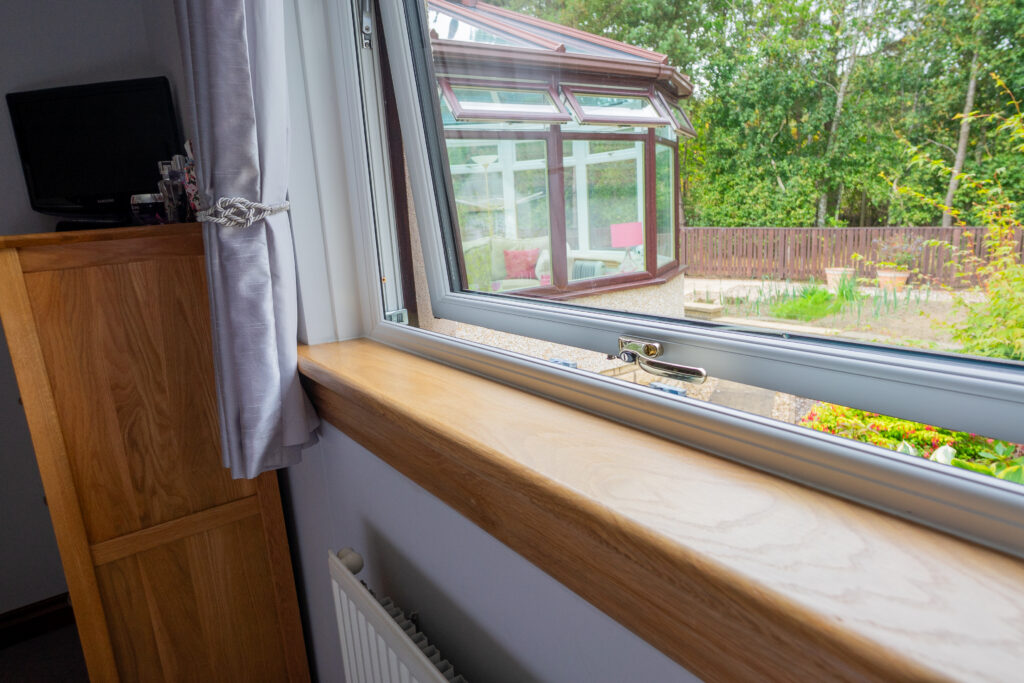
For example, casement windows are available in various opening configurations, including side-hung and top-hung designs.
Side-hung casement windows can provide a larger opening for fresh air, while top-hung styles offer an alternative way to manage ventilation.
CR Smith Lorimer casement windows are available in a range of configurations to suit different rooms and property styles.
When upgrading windows, it is important to maintain an appropriate ventilation strategy, as modern replacement windows are typically more airtight than older installations.

FAQs
Home improvements that increase natural light, improve thermal comfort, support ventilation and create functional living spaces can all contribute to a more comfortable environment. Popular options include energy-efficient windows, updated interior decoration, indoor greenery and dedicated areas for relaxation or exercise.
Yes. Energy-efficient windows can reduce heat loss, unwanted draughts and cold spots, helping maintain more consistent indoor temperatures. Their effectiveness depends on glazing performance, frame design and installation quality.
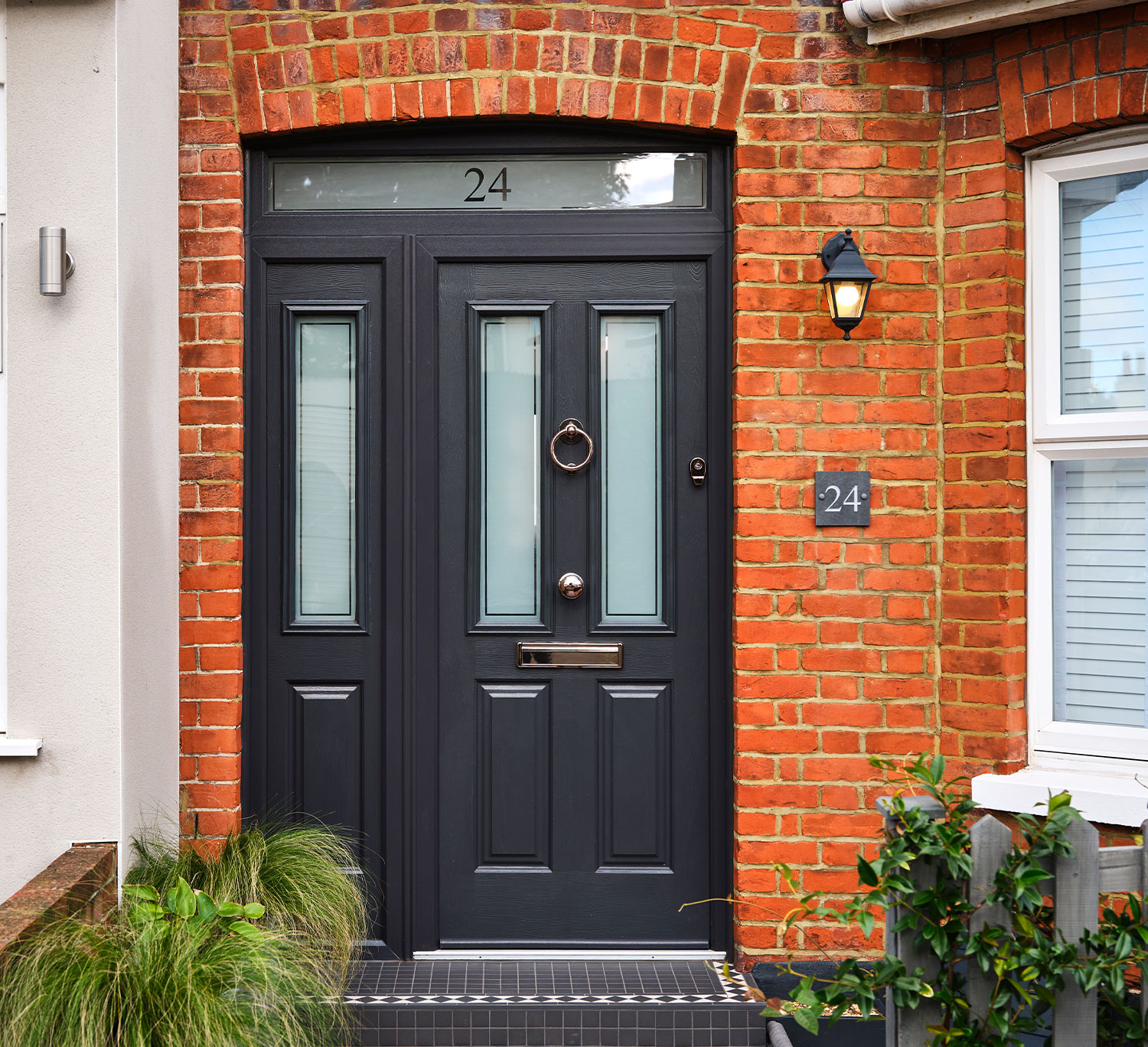
Focus on reducing unwanted draughts, maintaining adequate insulation, maximising available natural daylight and ensuring suitable ventilation. Energy-efficient glazing and well-fitted external doors can help improve thermal comfort, particularly in older properties.